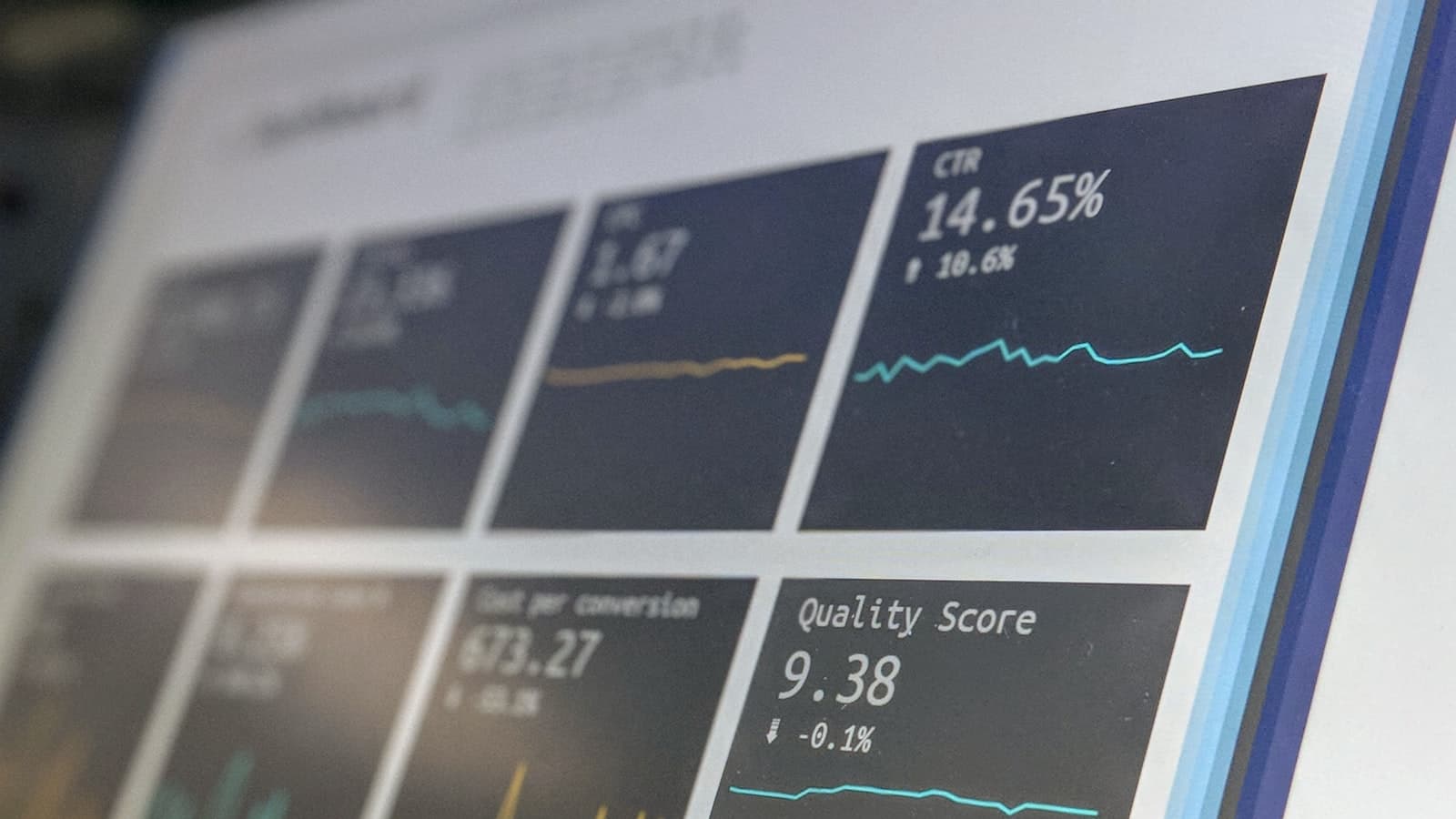
In almost every growth diagnostic we run, the first genuine finding is not in the media. It is that the marketing dashboard and the management accounts describe two different businesses, and both parties have stopped expecting them to agree.
How the gap opens
- The ad platform counts a conversion at click-through within a lookback window it chose.
- The analytics property counts a session-scoped event with its own model.
- Finance counts revenue recognised after refunds, cancellations and failed payments.
- Nobody has written down which of these the acquisition target refers to.
Once those numbers diverge, every optimisation decision downstream is being made against a metric the business does not actually run on. Budget follows the platform's definition, because that is the number visible daily, and the gap compounds quietly for quarters.
The fix is boring
Put the marketing lead, the analytics owner and someone from finance in a room and do not leave until there is one written definition of a conversion, one of a qualified lead, and one of customer acquisition cost, each reconciled to the ledger. It usually takes an afternoon. It routinely changes where a quarter of the budget goes.
An afternoon spent agreeing what a conversion is has repeatedly returned more than a quarter of media optimisation.
Then test incrementality
With a shared definition in place, holdout testing becomes interpretable. Until then it is not — you cannot measure lift against a baseline that three teams define differently. Most brands discover that a meaningful share of paid spend is buying demand that was already arriving. That finding is uncomfortable, cheap to obtain, and usually the largest single efficiency available.
Avexia Innovations Private Limited
Written by the Avexia practice team